Gypsum vs PVC false ceiling: which is better for Asansol homes
Gypsum wins on finish and resale value; PVC wins on humidity resistance and budget. Here is the honest 2026 comparison for Asansol and Raniganj homes.
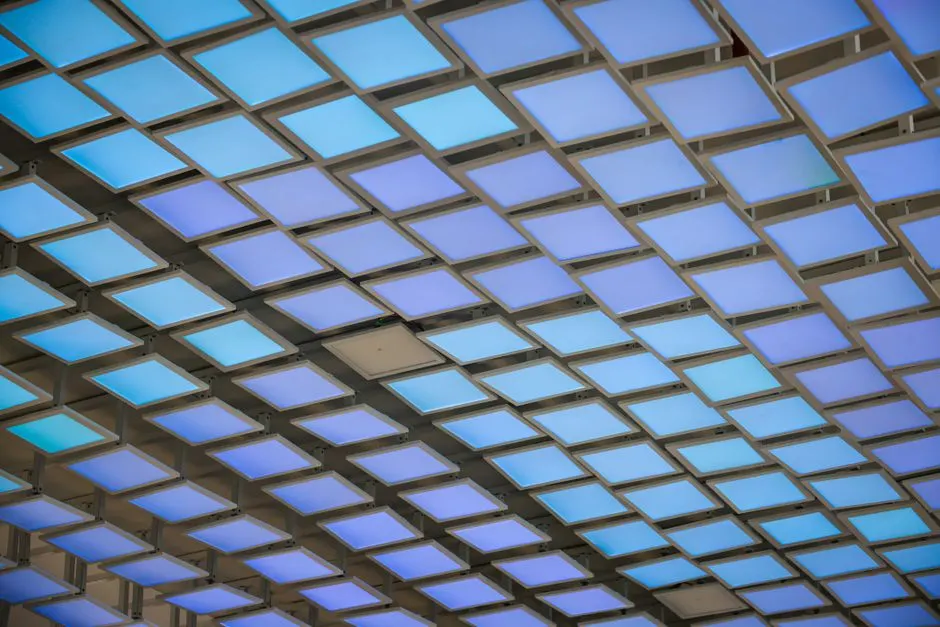
For most Asansol homes, gypsum is the better false ceiling if you want a seamless, paintable finish that lasts 15-20 years, while PVC is the better pick if your priority is surviving damp walls and monsoon humidity on a tighter budget. Gypsum costs roughly ₹75-₹120 per sq ft installed in 2026; PVC lands at ₹55-₹85 per sq ft. The rest of this post breaks down where each one wins, what we see on real jobs across Asansol and Raniganj, and how to choose without regret.
We have fitted both materials in flats near Asansol Court, older houses in Raniganj, and shops along GT Road. The choice almost never comes down to which looks prettier in a catalogue. It comes down to your wall condition, your ceiling height, and how much you are willing to spend on repairs five years from now.
The short answer for Asansol homes
Gypsum false ceiling is a plasterboard ceiling system that screws onto a GI metal frame and is then jointed and painted, giving you a flat, crack-resistant surface for recessed lights and cove profiles. PVC false ceiling is a panel-based system where interlocking PVC strips clip into a frame, giving you a washable, moisture-proof surface with visible seams.
If your home has seepage-prone walls, a first-floor flat above a damp plinth, or you are fitting a kitchen or bathroom ceiling, PVC is the safer call. If you want a living room or bedroom ceiling that looks like it belongs in a design magazine, gypsum wins.
Here is the quick comparison we give clients before they decide:
- Best finish: Gypsum - seamless, paintable, no visible joints.
- Best against damp: PVC - does not absorb water or swell.
- Lowest upfront cost: PVC - usually 25-35% cheaper.
- Longest lifespan: Gypsum - 15-20 years if the frame is done right.
- Easiest to repair: PVC - swap a single panel.
- Best for cove lighting: Gypsum - you can shape curves and steps.
As a full-service Interior designer in Raniganj, West Bengal, we install both systems and we will tell you honestly which one your room actually needs.
What is gypsum false ceiling and what is PVC false ceiling?
Gypsum false ceiling is a suspended ceiling built from gypsum boards fixed to a galvanised iron grid, with joints filled using jointing compound and paper tape, then sanded and painted. The boards are typically 9mm or 12mm thick, and the grid hangs 4-8 inches below the slab.
PVC false ceiling is a suspended ceiling built from PVC panels, usually 8-10mm thick and 20-25cm wide, that slot into an aluminium or PVC frame. The panels are hollow-core, which is why they insulate heat and resist moisture so well.
How gypsum is installed
We mark the level with a laser, fix the perimeter angle to the wall, hang the main runners with MS rods at 3-4 feet centres, then screw the boards in a staggered pattern. Joints get tape and compound, and the whole surface gets two coats of primer and two of paint. A 200 sq ft living room takes us 4-5 days.
How PVC is installed
We fix the frame first, then clip panels in from one corner. No wet work, no curing, no painting. The same 200 sq ft room is done in 1-2 days, and you can use the room the same evening.
If you want to see finishes side by side before committing, our Modern false ceiling design in Raniganj, West Bengal page shows recent profiles we have built, including stepped gypsum and flat PVC layouts.
Cost difference between gypsum and PVC false ceiling in Asansol
For a typical 10 ft × 12 ft bedroom in Asansol, gypsum false ceiling installation cost in 2026 runs ₹9,000-₹14,500, while PVC comes in at ₹6,500-₹10,000. The gap widens on larger areas because gypsum needs more labour, more jointing, and painting.
Here is what drives the price on both sides:
- Gypsum: board grade, GI frame spacing, number of light cut-outs, cove profile complexity, and paint quality.
- PVC: panel thickness, frame material (aluminium costs more than PVC frame), and whether you want a plain or printed finish.
- Both: ceiling height, whether scaffolding is needed, and how much existing POP or old ceiling has to be removed first.
A plain flat gypsum ceiling with no cove and no fancy lighting starts around ₹75 per sq ft. Add a cove, a stepped border, and recessed spots and you are at ₹110-₹120 per sq ft. PVC stays flatter on price because the labour is simpler.
One thing clients forget: gypsum needs repainting every 6-8 years, which adds ₹12-₹18 per sq ft each time. PVC needs a wipe-down, not a repaint. Over 15 years, that narrows the total cost gap considerably.
Which material survives Asansol's monsoon and coal-belt air?
PVC handles Asansol's July-September monsoon and the coal-belt dust far better than gypsum, because PVC does not absorb moisture and can be washed. Gypsum, if it gets repeatedly wet from a leaking slab or a damp wall, will stain, sag, and eventually crumble.
We see this most often in older houses around Raniganj and Jamuria, where the walls were built without a damp-proof course. Every monsoon, moisture creeps up the wall and reaches the ceiling perimeter. On a gypsum ceiling, that shows up as brown patches within one season.
Two fixes work:
- Treat the damp source first - waterproof the terrace, fix the plumbing leak, or apply a damp-proof treatment to the wall.
- If the damp cannot be fully stopped, use PVC on that ceiling, or use gypsum with a moisture-resistant board grade and a PVC skirting at the wall line.
For rooms where damp is a known problem, we usually recommend PVC false ceiling installation in Raniganj, West Bengal because it is the lower-risk choice. For dry, well-maintained rooms, gypsum is fine.
Coal-belt dust is a separate issue. It settles on any ceiling, but PVC's smooth surface wipes clean with a damp cloth. Gypsum's painted surface needs gentle cleaning and repainting sooner if you smoke or burn incense indoors.
Finish, lighting and design flexibility
Gypsum gives you a monolithic surface - no seams, no panel lines, and the freedom to build curves, steps, and deep coves for indirect lighting. PVC gives you a clean but visibly panelled surface, and it works best with flat or simple stepped designs.
If your design brief includes any of these, gypsum is the only realistic option:
- Curved or circular ceiling features.
- Deep cove lighting with hidden LED strips.
- Recessed profiles for spotlights and pendant points.
- A ceiling that will be painted to match the wall colour exactly.
PVC is better suited to:
- Kitchens and bathrooms.
- Balconies and semi-open areas.
- Shops and offices where speed matters more than seamless finish.
- Rental flats where you want a clean ceiling without a long project.
If you are building a full home look, our Decorative false ceiling design in Raniganj, West Bengal service combines gypsum profiles with wall panelling and lighting so the ceiling, walls, and floor read as one scheme.
Which false ceiling material lasts longer in Asansol?
A properly installed gypsum ceiling in Asansol lasts 15-20 years; a PVC ceiling lasts 10-15 years. The difference is not the material alone - it is the frame and the installation quality.
What kills a gypsum ceiling early:
- MS rods that were not painted or galvanised, rusting through in 4-6 years.
- Frame spacing wider than 4 feet, causing sag between runners.
- Untaped joints that crack within the first summer.
- Water ingress from above that was never fixed.
What kills a PVC ceiling early:
- Cheap hollow panels that yellow and become brittle under direct sun.
- PVC frames that warp in high heat - aluminium frames last longer.
- Panels clipped too tightly, which then buckle in summer.
We use GI frames with anti-rust coating on gypsum jobs and aluminium frames on PVC jobs wherever the budget allows. That single decision adds years to both systems. If your existing ceiling is sagging or stained, our False ceiling repair & renovation in Raniganj, West Bengal team can often salvage the frame and replace only the boards or panels.
Common mistakes we see on Asansol false ceiling jobs
The biggest mistake is choosing the material before checking the wall. We have seen homeowners spend ₹1.2 lakh on a gypsum ceiling in a room with an untreated damp wall, only to watch it stain within one monsoon.
Other mistakes that cost real money:
- Ignoring ceiling height. If your slab is at 9 ft 6 in, a 6-inch drop leaves you 9 ft - fine. A 12-inch drop in a 9 ft room feels low.
- Overloading the ceiling. Heavy chandeliers need extra framing, not just a board.
- Skipping the primer. Gypsum painted without primer absorbs moisture and shows joint lines within a year.
- Using PVC in a room with direct afternoon sun. The panels heat up and can warp unless the frame is aluminium.
- Not planning light points first. Cutting into a finished gypsum ceiling for a new light is messy and expensive.
We plan the lighting layout, fan hooks, and AC duct routes on paper before a single board goes up. That 30-minute conversation saves days of rework.
When to call a professional
Call a professional if your ceiling is already sagging, if you can see brown water stains spreading across the boards, or if you are planning recessed lighting and cove work that needs precise framing. DIY gypsum work almost always shows joint cracks within the first summer.
We handle the full job - damp assessment, frame design, board or panel installation, jointing, painting, and light fitting. If you are also renovating the rest of the room, we can fold the ceiling into a wider Interior renovation in Raniganj, West Bengal plan so the ceiling, walls, and flooring are sequenced properly.
For homeowners in Asansol city and the surrounding areas, we also cover Interior designer in Asansol projects, including flats near Burnpur Road and older bungalows in Kulti and Barakar.
Frequently Asked Questions
Which is better, gypsum or PVC false ceiling in Asansol?
Gypsum is better for living rooms and bedrooms where finish matters, lasting 15-20 years. PVC is better for kitchens, bathrooms, and damp-prone rooms, lasting 10-15 years and costing 25-35% less upfront. Choose based on wall condition and room type, not just price.
What is the cost difference between gypsum and PVC false ceiling in Asansol, West Bengal?
In 2026, gypsum runs ₹75-₹120 per sq ft installed, while PVC runs ₹55-₹85 per sq ft. For a 120 sq ft bedroom, that is roughly ₹9,000-₹14,500 for gypsum versus ₹6,500-₹10,000 for PVC, including basic lighting cut-outs.
Which false ceiling material lasts longer in Asansol?
Gypsum lasts 15-20 years and PVC lasts 10-15 years when both are installed on a properly treated frame. Gypsum's lifespan depends heavily on fixing damp sources first; PVC tolerates humidity better but can yellow or warp in direct sun.
Who installs gypsum and PVC false ceilings near me in Asansol?
Bharat Decorator installs both systems across Asansol, Raniganj, Jamuria, Andal, and nearby areas. We assess the wall, recommend the right material, and handle framing, installation, jointing, and painting. Call 9641257773 for a site visit.
Can I install a false ceiling in a room with a leaking roof?
No. Fix the leak first. A false ceiling traps moisture above it, and both gypsum and PVC will fail faster if water keeps coming in. We check for damp and seepage before quoting any ceiling work.
Get help with Interior designer in Raniganj
Whether you choose gypsum for its seamless finish or PVC for its humidity resistance, the result depends on how well the frame is built and how honestly the material is matched to your room. We do both, and we will tell you which one your home actually needs.
Call Bharat Decorator at 9641257773 to book a site visit in Raniganj, Asansol, or anywhere in the surrounding coal-belt belt. We will measure, inspect for damp, and give you a fixed per-square-foot quote before any work starts.